
Docks, Bulkheads, and Channel Depths: What Waterfront Buyers and Sellers Should Know
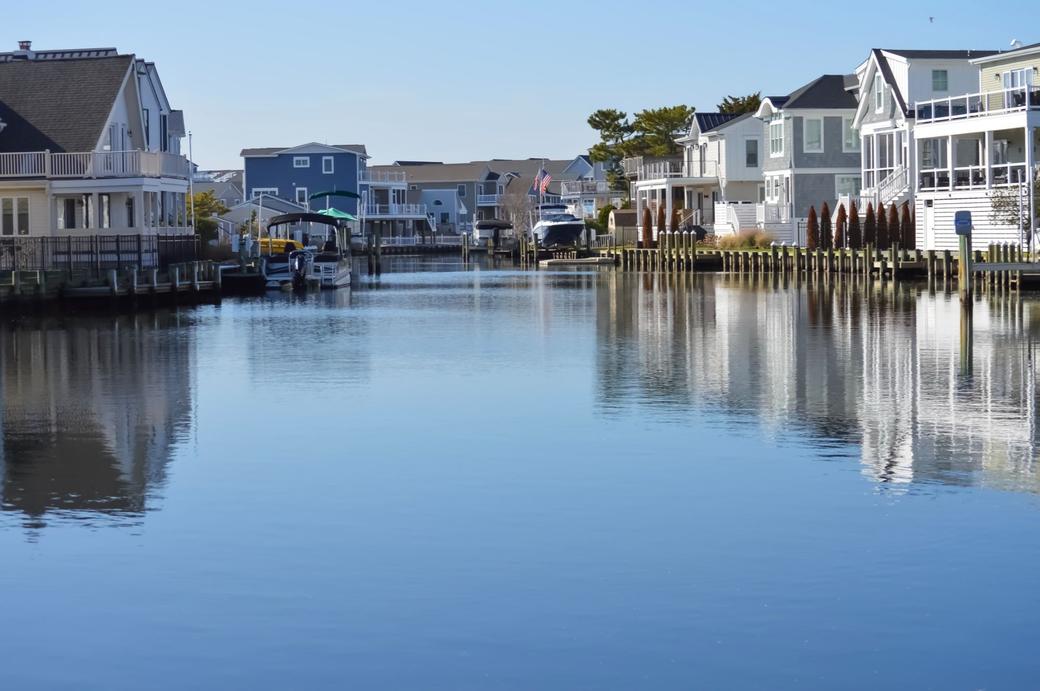
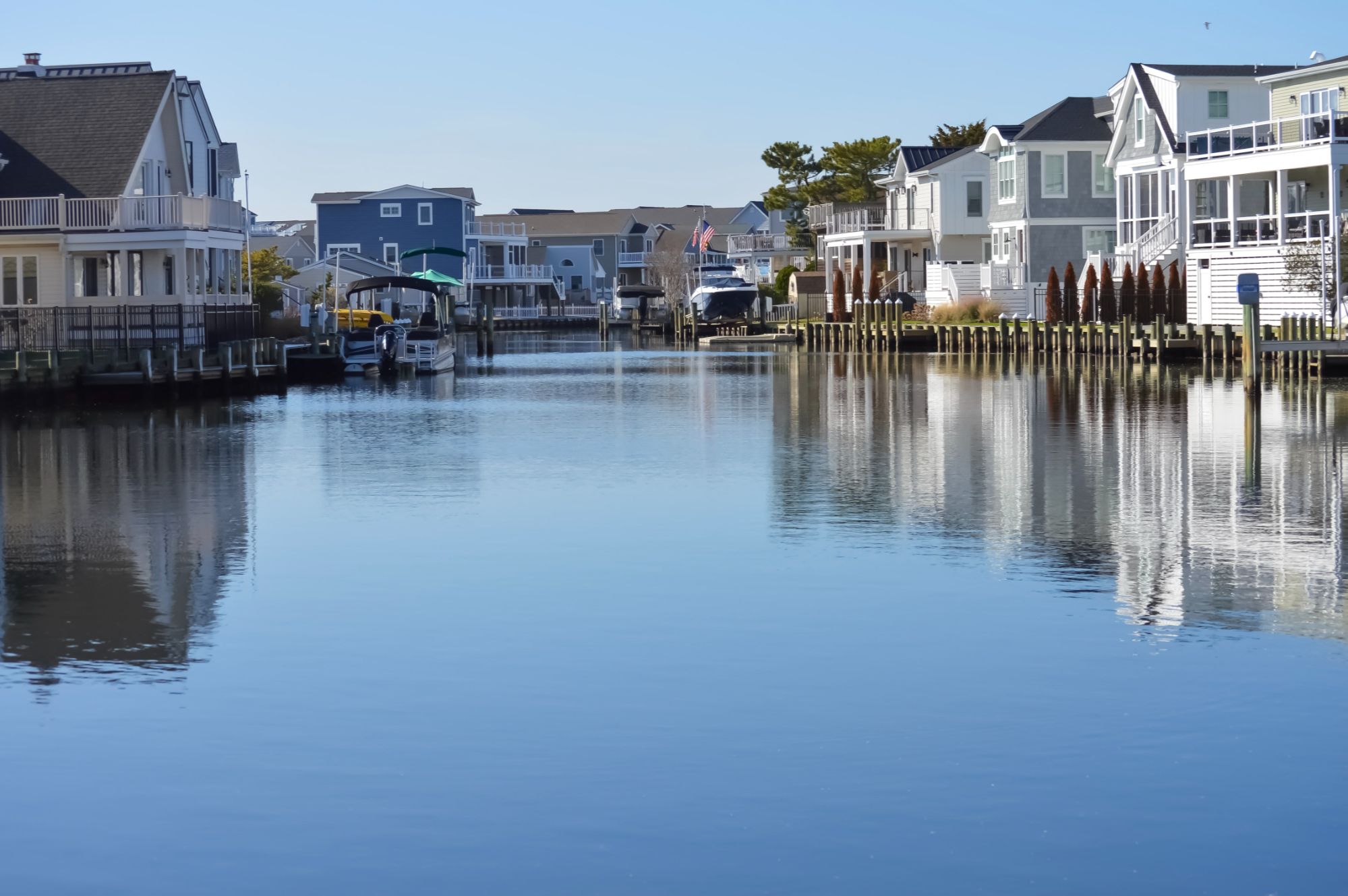
What Delaware and Maryland waterfront buyers and sellers should know
By Ashley Brosnahan Team | Long & Foster Real Estate
A waterfront home should support the way you want to live on the water. For a boat owner, that means understanding the dock, the condition of the shoreline, and the water between the property and your destination. Those details deserve attention early in a purchase because they affect how you can use the property and what you may need to maintain.
At the Ashley Brosnahan Team, our waterfront perspective includes nearly 30 years in the home industry, much of it involving oceanfront and bayfront homes, along with firsthand experience living on the water and owning and operating boats. That experience shapes the questions we encourage buyers and sellers to ask about waterfront homes along the Delaware and Maryland coast.
Start with the boat you plan to use
A dock that works for a small center console may not suit a larger sportfish. Before evaluating a property, establish your boat’s length, beam, loaded draft, and height above the water. Include a future boat if upgrading is part of your plan.
Then evaluate the available slip width, usable docking length, turning room, and approach. Wind and current can make a tight slip more demanding. For a lift, verify its rated capacity against the boat’s actual loaded weight, including engines, fuel, water, and equipment, and have a qualified installer confirm that the lift and supports suit the vessel.
Waterfront footage alone does not establish how much usable dockage a property offers. The approved layout, physical space, and any shared-use restrictions all matter.
Check depth along the entire route
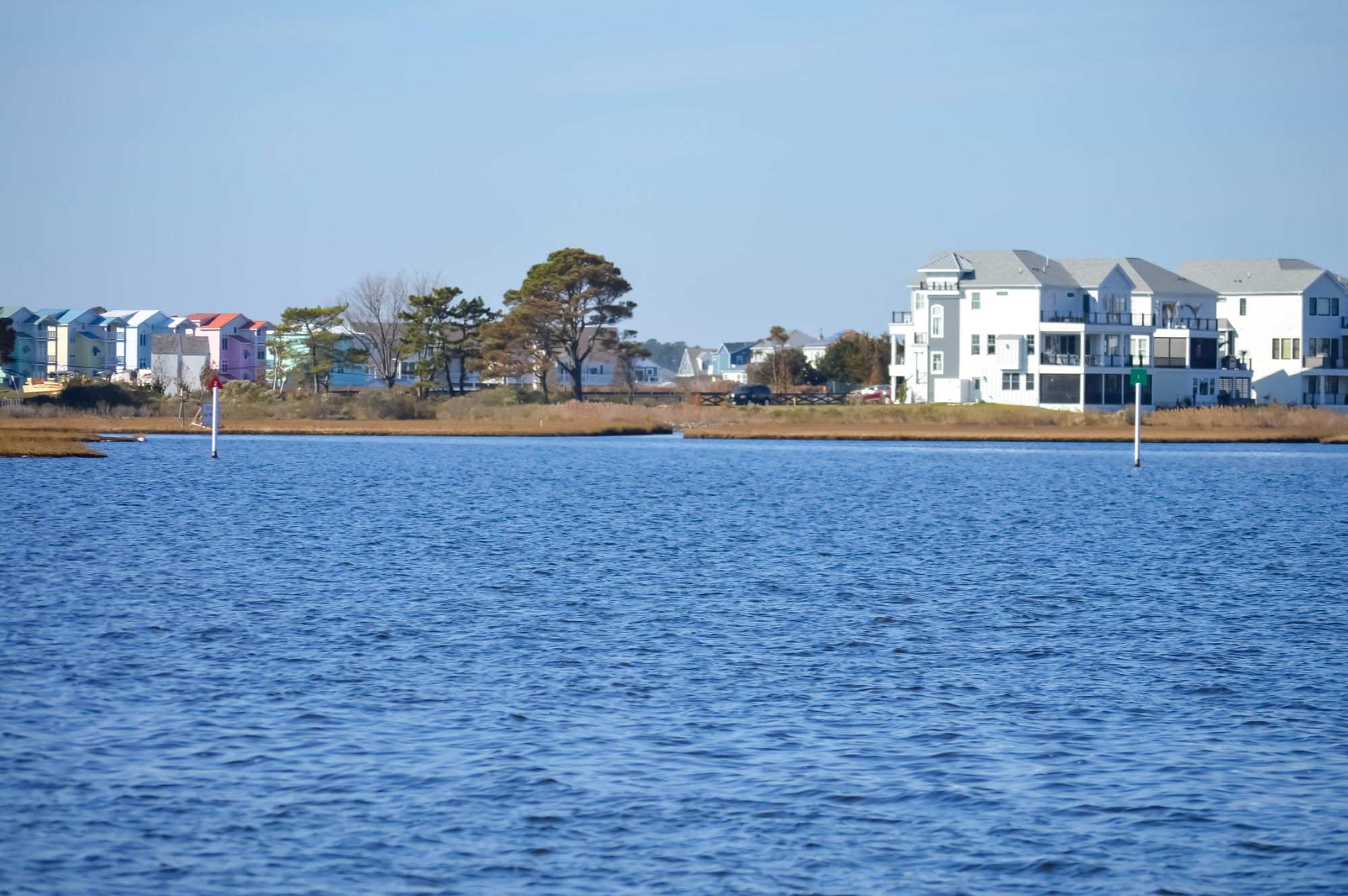
Deep water at the dock is only one part of boating access. A shallow canal entrance, shoal, or connecting channel can limit the boat you can use even when the slip itself has ample depth. Evaluate the shallowest part of the intended route, along with bridge clearance and room to maneuver.
Ask when a quoted depth was measured, where the measurement was taken, and what the tide and weather were doing. A reading at high tide cannot be treated as a low-water measurement. NOAA explains that wind and other weather conditions can substantially raise or lower water levels, so a tide prediction alone does not describe every day’s conditions. [1]
For example, a boat drawing four feet in five feet of actual water has only one foot of clearance beneath its deepest point. That arithmetic does not establish a safe operating margin. Waves, loading, bottom conditions, and vessel movement must also be considered. Depth sounder settings matter, too: establish whether the display reports depth beneath the transducer, beneath the keel, or from the surface.
If access is central to the purchase, obtain current depth information and have a qualified local marine professional help evaluate the route for your vessel. A neighboring boat can offer useful context, but its presence does not prove that your boat will fit or have sufficient water.
Evaluate the dock beneath the decking
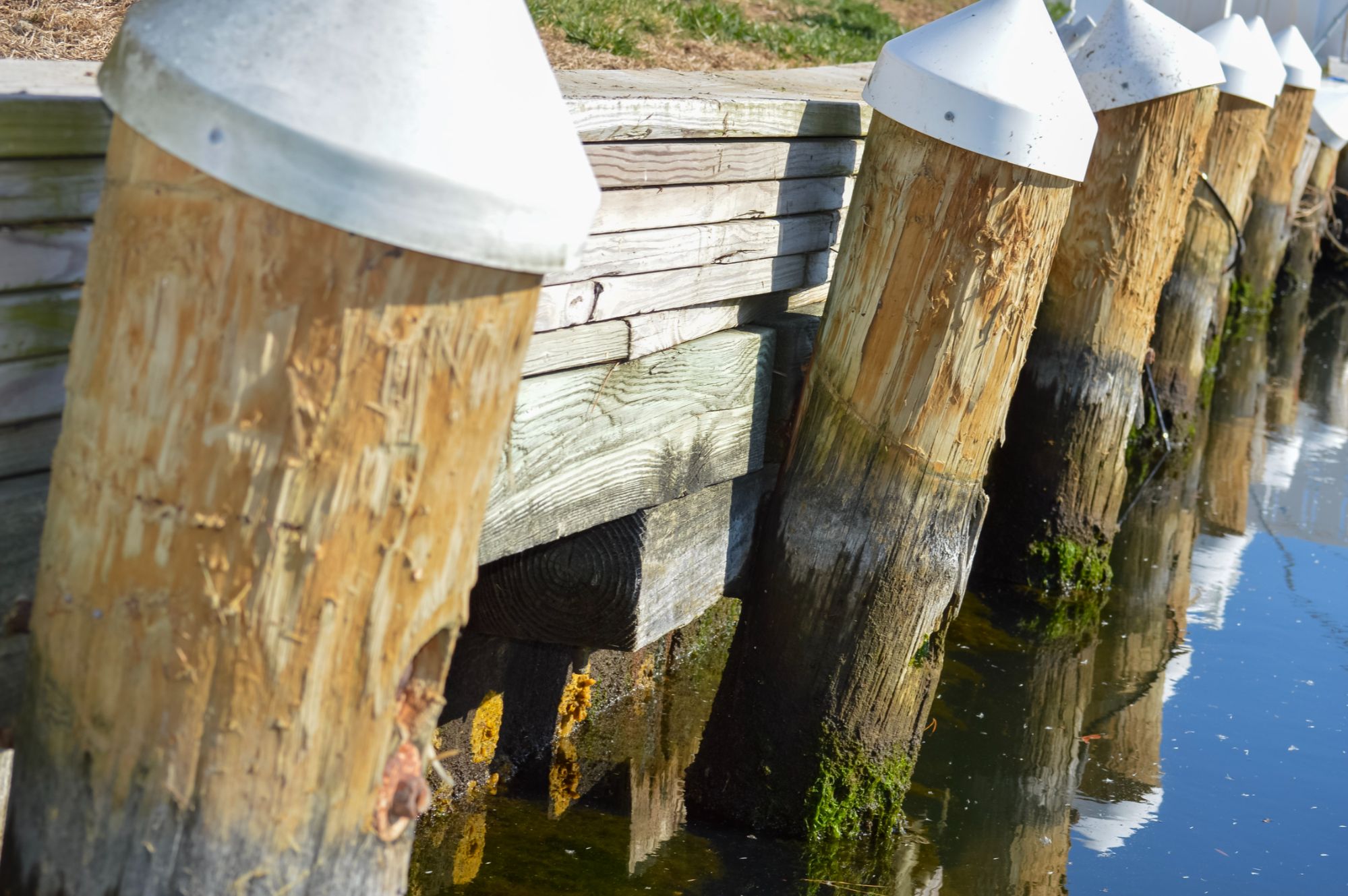
Fresh decking can improve appearance without telling you much about the structure below. Ask a qualified marine contractor to assess the pilings, framing, connections, and other supports, as well as the walking surface. Have dock electrical service evaluated by a qualified electrician familiar with marine installations.
Review the dock’s age, repair history, and approved plans. Confirm that the existing configuration matches the records and that any lift or later addition was addressed through the appropriate approval process. A standard home inspection may not include a detailed marine structure assessment, so clarify that scope before relying on it.
Understand what the bulkhead is doing
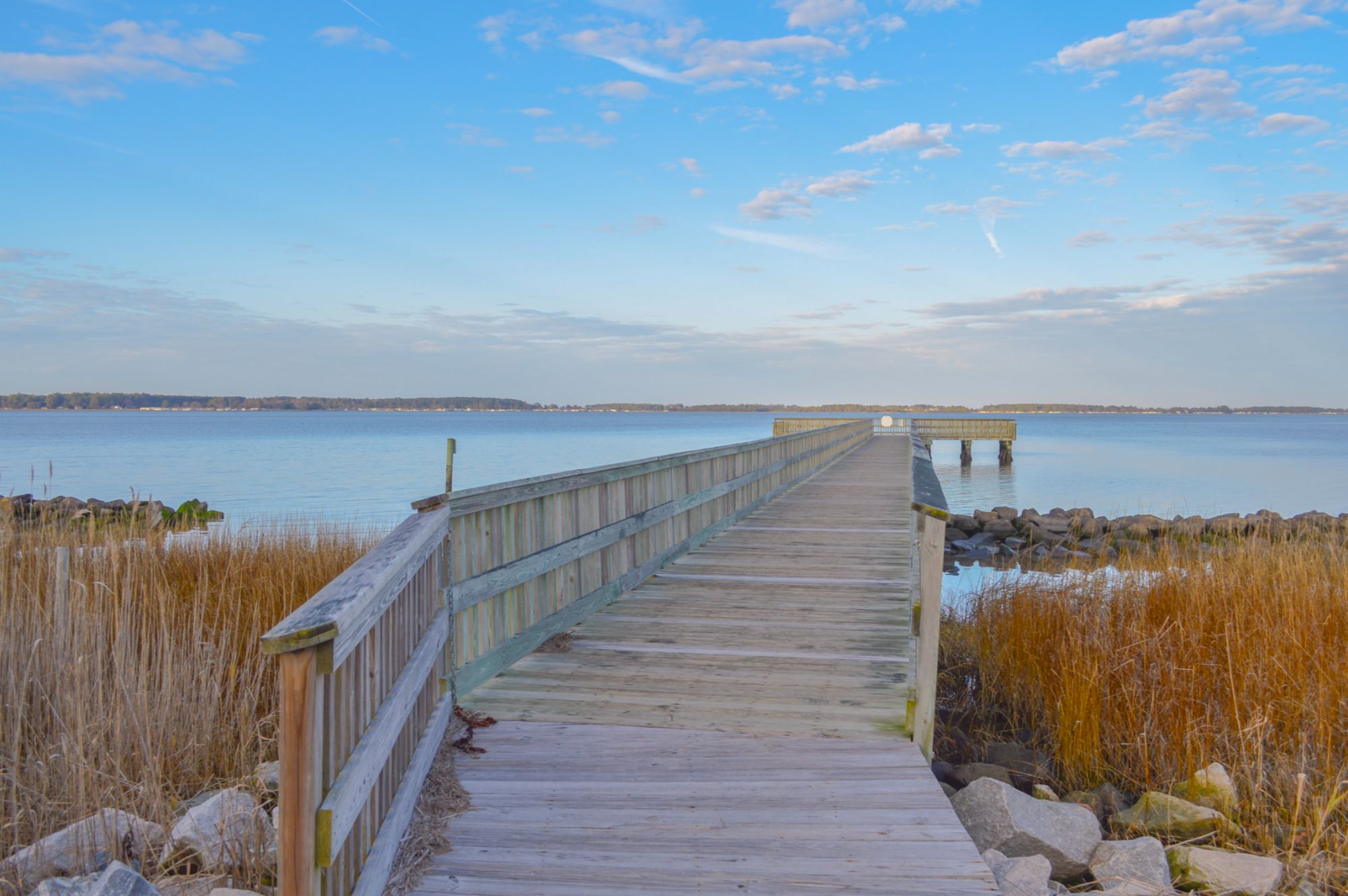
A bulkhead is the retaining structure along the water’s edge that helps hold the land in place. Its condition deserves separate attention from the dock. Ask a qualified contractor or engineer to evaluate visible leaning or bowing, separated joints, deteriorated materials, and settlement or voids behind the wall.
The review should consider the whole system, including anchoring components where present, drainage, and conditions below the waterline. New caps or landscaping do not establish the condition of those components. Avoid assigning a remaining lifespan based only on the material or appearance.
If work is needed, obtain a property-specific estimate. Access for equipment, engineering, permits, removal of existing structures, and restoration of the yard or dock can all affect the scope. Also evaluate flood exposure separately; the presence of a bulkhead does not establish that a home or lot is protected from flooding.
Confirm permits before planning changes
Treat a larger dock, a new lift, bulkhead replacement, or deeper water as a proposal to investigate before buying. An existing structure does not establish that an expansion or replacement in the same configuration will be approved.
In Delaware, DNREC regulates activities involving docks, bulkheads, dredging, and other work in regulated waters and wetlands. In Maryland, MDE provides guidance for pier projects and tidal wetlands work. Depending on the location and scope, state, local, and federal authorizations may apply. Confirm the requirements for the specific project, including any maintenance exemptions, rather than assuming all repairs follow the same process. [2][3]
Ask for available permits, approved drawings, surveys, and any applicable leases or shared-dock agreements. Have the appropriate professionals confirm property rights, maintenance obligations, and whether approvals or leases require action when ownership changes.
Investigate dredging and maintenance responsibilities
If a property’s boating appeal depends on dredging, establish who is responsible for the slip, canal, and connecting waterway. Request the date and scope of past work, available permits and depth surveys, and documentation of any proposed project.
A statement that a canal “will be dredged” deserves follow-up. Verify its approval, funding, scope, and schedule. DNREC uses a prioritization process for public dredging projects in Delaware’s Inland Bays and along the Delaware Bay coast; an owner’s need for deeper water does not itself establish when public work will occur. [4]
Help buyers understand the waterfront before listing
Sellers can prepare by gathering permits, plans, repair invoices, lift specifications, and available depth information. Identify the date, location, and water-level reference for depth measurements. Keep documented facts separate from estimates or recollections, particularly for claims such as “deep water,” “no fixed bridges,” or “minutes to the inlet.”
These records give buyers a clearer basis for evaluating the property. They also help explain differences between waterfront homes that may look similar online but offer different boating access, structural condition, or maintenance responsibilities. The effect on value should be assessed using the property’s circumstances and relevant comparable sales.
Put waterfront experience to work for your move
Whether you are buying a waterfront home or preparing to sell, start with how the property can be used and what the available records establish. At the Ashley Brosnahan Team at Long & Foster Real Estate, we bring firsthand waterfront living and boating experience to that conversation and help identify the questions that need further professional review.
Contact the Ashley Brosnahan Team at Long & Foster Real Estate through bethanybeach-homes.com to discuss buying or selling a waterfront home along the Delaware and Maryland coast.
Sources
[1] NOAA Meteorological and Other Oceanographic Data
https://tidesandcurrents.noaa.gov/met_info.html
[2] DNREC Wetlands and Subaqueous Lands Permits
https://dnrec.delaware.gov/water/wetlands/permits/
[3] Maryland MDE Guide to Building and Changing Piers
https://mde.maryland.gov/programs/water/WetlandsandWaterways/PermitsandApplications/Pages/Piers.aspx
[3] Maryland MDE Wetlands and Waterways FAQs
https://mde.maryland.gov/programs/water/wetlandsandwaterways/pages/faqs.aspx
[4] DNREC Determining Dredging Priorities
https://dnrec.delaware.gov/watershed-stewardship/waterways/dredging-priorities/
Source guidance checked November 23 2026. Project requirements should be confirmed for the specific property and proposed work.
Categories
Recent Posts







Delaware Associate Broker, Maryland Licensed Realtor RS-RA-0031206
+1(302) 841-4200 | ashley@bethanybeach-homes.com